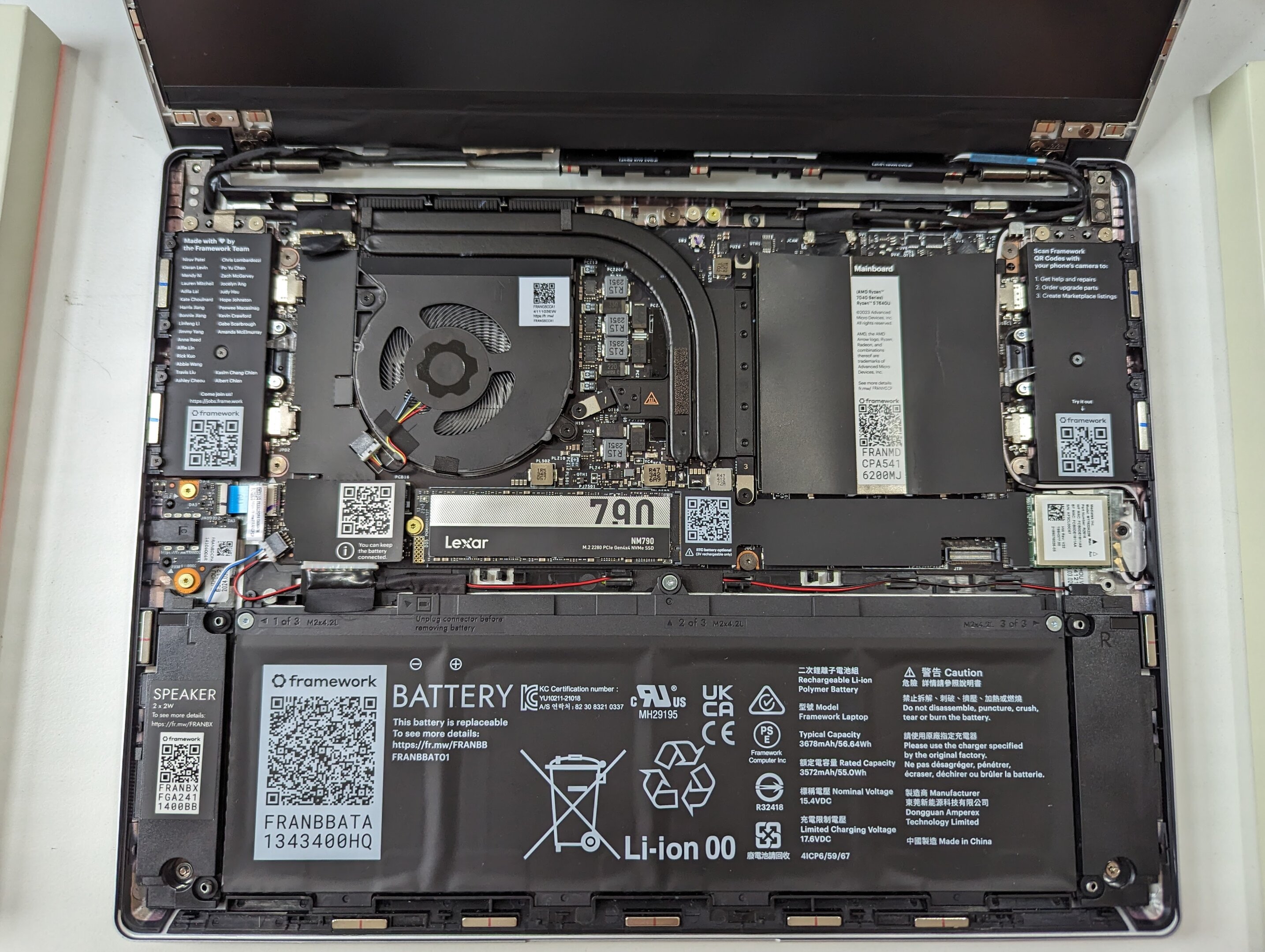
Laptop prices are jumping about 17% in 2026 because memory is eating the bill of materials alive. Gartner projects combined DRAM and SSD prices will surge 130% this year, PC prices climb 17%, and global PC shipments fall 10.4% (Gartner, 2026). The sub-$500 entry laptop is effectively gone. If you are shopping for a new machine this year, you are paying more for less.
The cause is not a factory fire or a pandemic lockdown. AI data centers are outbidding consumers for the same silicon. One gigabyte of high-bandwidth memory for AI accelerators eats three to four times the wafer area of regular DRAM (TechFuel, 2026), so every server chip starves the laptop line on purpose. This is a structural repricing, not a temporary blip.
How much have laptop prices actually risen in 2026?
The numbers are staggering. A 32GB DDR5 kit that sold for $80 to $120 a year ago now lists over $374 (Tom's Hardware, 2026). The same Crucial Pro DDR5-6000 kit that hit $90 during Amazon Prime Day in July 2025 now costs $459 (Tom's Hardware, 2026). G.Skill's Trident Z5 Neo RGB DDR5-6000, which dropped to $100 in 2024, retails for $599.99 in August 2026 (Tom's Hardware, 2026).
Major OEMs have passed those costs straight to buyers. Dell, Lenovo, Acer and ASUS have each raised laptop prices 15 to 30% (Insight, 2026). HP tells investors memory is now about 35% of a PC's component cost, up from 15 to 18% just two quarters earlier (HP, 2026). Gartner estimates PC memory costs will peak at 23% of the total bill of materials, up from 16% in 2025 (Gartner, 2026).
| Kit | July 2025 Price | August 2026 Price | Increase |
|---|---|---|---|
| Crucial Pro 32GB DDR5-6000 | $90 | $459 | 410% |
| G.Skill Trident Z5 Neo 32GB DDR5-6000 | $100 | $599 | 499% |
| 16GB DDR5 (cheapest available) | ~$45 | $209 | 364% |
| Corsair Vengeance 192GB DDR5 (4x48GB) | ~$500 | $2,600+ | 420%+ |
Apple held out longest, then broke. Its entry-level MacBook Neo rose $100 and the 1TB MacBook Pro jumped from $1,699 to $1,999 (Channel Dive, 2026). Gartner's Ranjit Atwal called memory pricing "crazy" and said even Apple's supply chain could not absorb it. Lenovo went further, calling the situation "RAMageddon" and telling customers it will never return to previous pricing levels (Lenovo, 2026).
Why did the memory shortage get this bad?
AI demand is structural, not panic buying. IDC says DRAM and high bandwidth memory is redirecting away from desktop and laptop parts toward AI servers (IDC, 2026). Micron reports it can only fill 55 to 60% of core customer demand (TrendForce, 2026). In December 2025, Micron killed its entire consumer brand, Crucial, to focus all resources on HBM and enterprise customers (Tom's Hardware, 2025).
The math is brutal. HBM for AI accelerators uses 3 to 4 times the wafer area per gigabyte compared to standard DDR5 (TechFuel, 2026). Samsung, SK Hynix, and Micron control over 90% of global DRAM output, and roughly 60% of that capacity now goes to server and AI applications (Tom's Hardware, 2026). That leaves consumer laptops and desktops fighting over a shrinking slice.
How bad will 2027 actually get?
Worse. SK Hynix CEO told investors that 2027 will be the worst year for the memory shortage, and he forecasts the crunch lasting until 2030 (Tom's Hardware, 2026). Apacer CEO C.K. Chang projects that DRAM chip supply to independent module makers could drop more than 70% year-on-year in 2027, falling to just 30% of 2026 levels (Tom's Hardware, 2026).
Apacer is stockpiling. The company grew its inventory to NT$12.4 billion ($383 million) at the end of June 2026, up 48% from one quarter earlier. It also arranged a five-year $124 million syndicated loan to buy chips whenever manufacturers make them available (Tom's Hardware, 2026). The CEO's blunt assessment: the biggest risk is no longer overpaying for chips, it is failing to get any at all.
Will the sub-$500 laptop really disappear?
Gartner says yes, and by 2028. The firm predicts the entry-level PC segment under $500 will effectively vanish because memory eats the whole margin (Gartner, 2026). To hold price points, makers are slashing configs: 8GB RAM is returning as the budget floor and some models dip to 4GB. That is painful when Windows 11 itself wants 4GB just to boot.
The ripple effects go beyond laptops. Gartner warns that PC lifetimes will increase 15% for business buyers and 20% for consumers by end of 2026 (Gartner, 2026). Older machines mean more security vulnerabilities and higher IT management costs. AI PC adoption, which was supposed to hit 50% penetration by 2027, will now be delayed until 2028 because of rising prices (Gartner, 2026).
When will laptop prices finally normalize?
Not before 2027, and possibly later. Gartner senior director analyst Ranjit Atwal warns regional pricing may not settle until the end of 2027 (CNBC, 2026). IDC expects prices to stay 10% or more above normal through the coming year before shipments recover past 290 million units by 2030 (IDC, 2026). The chairman of Adata projects the DRAM shortage will last another 10 years (Tom's Hardware, 2026).
There is one real wrinkle. Buyer pushback is starting to stall weekly increases, and some retail DIY kits have softened slightly (TechRadar, 2026). DRAM contract price growth may moderate in Q4 2026 after a 30% jump in Q3 (Tom's Hardware, 2026). But analysts treat the softening as demand destruction, not new supply. Cheap memory is not coming back soon.
Is it smarter to buy a laptop or wait?
Buy what you need now if the machine is a daily driver. Prices peak across 2026, and waiting usually means paying a higher bill by the time you cave. For a desktop, prioritize an upgradeable socket machine and the RAM you will actually use this year rather than maxing capacity far in advance.
- Buy for a working machine now; waiting is a losing bet before late 2027
- Prefer a socket with an upgrade path so you can add RAM or a CPU later for less
- Reuse any DDR4 or laptop SSD you already own to avoid current pricing entirely
- Consider pre-built PCs, which absorb RAM cost increases better than DIY right now
- Do not pay retail for capacity you will not use in 12 months
- Watch for Newegg motherboard-RAM bundles that subsidize memory with other components
We're at a point where it's become prohibitive for vendors in terms of pricing. Even Apple, with the best supply chains, cannot manage this.
— Ranjit Atwal, Gartner
What is the bottom line?
The 2026 laptop market is a repricing, not a cycle. AI data centers pay the wafer market several times more for HBM-grade memory, so makers stopped producing cheap consumer silicon. PC prices rise about 17%, shipments fall 10.4%, and the $500 laptop disappears by 2028. SK Hynix says the crunch lasts until 2030. Plan your purchases around that reality.
Sources and further reading
- Gartner — 130% memory price surge press release
- Tom's Hardware — One year into the AI-induced RAM apocalypse
- Tom's Hardware — DRAM supply to module makers could drop 70% in 2027
- Tom's Hardware — RAM price tracker
- Channel Dive — Apple MacBook price hikes
- TrendForce — DRAM and NAND market data
- Memory Crisis 2026: Why RAM and SSD Prices Doubled
- GPU Buying Guide 2026: Which Card Runs Your AI
- The Best AI Models of 2026, Ranked by Real Users
Bottom line
The 2026 laptop market is a repricing, not a cycle. AI data centers pay the wafer market several times more for HBM-grade memory, so makers stopped producing cheap consumer silicon. PC prices rise about 17%, shipments fall 10.4%, and the $500 laptop disappears by 2028. SK Hynix says the crunch lasts until 2030. Plan your purchases around that reality.
What we still don't know
This is a fast-moving story. We update the post as new facts land — and we'll flag it when we do.
Enjoyed this? Pay it forward
A sharp story is worth passing on. Share it with the people who read tech like it matters.