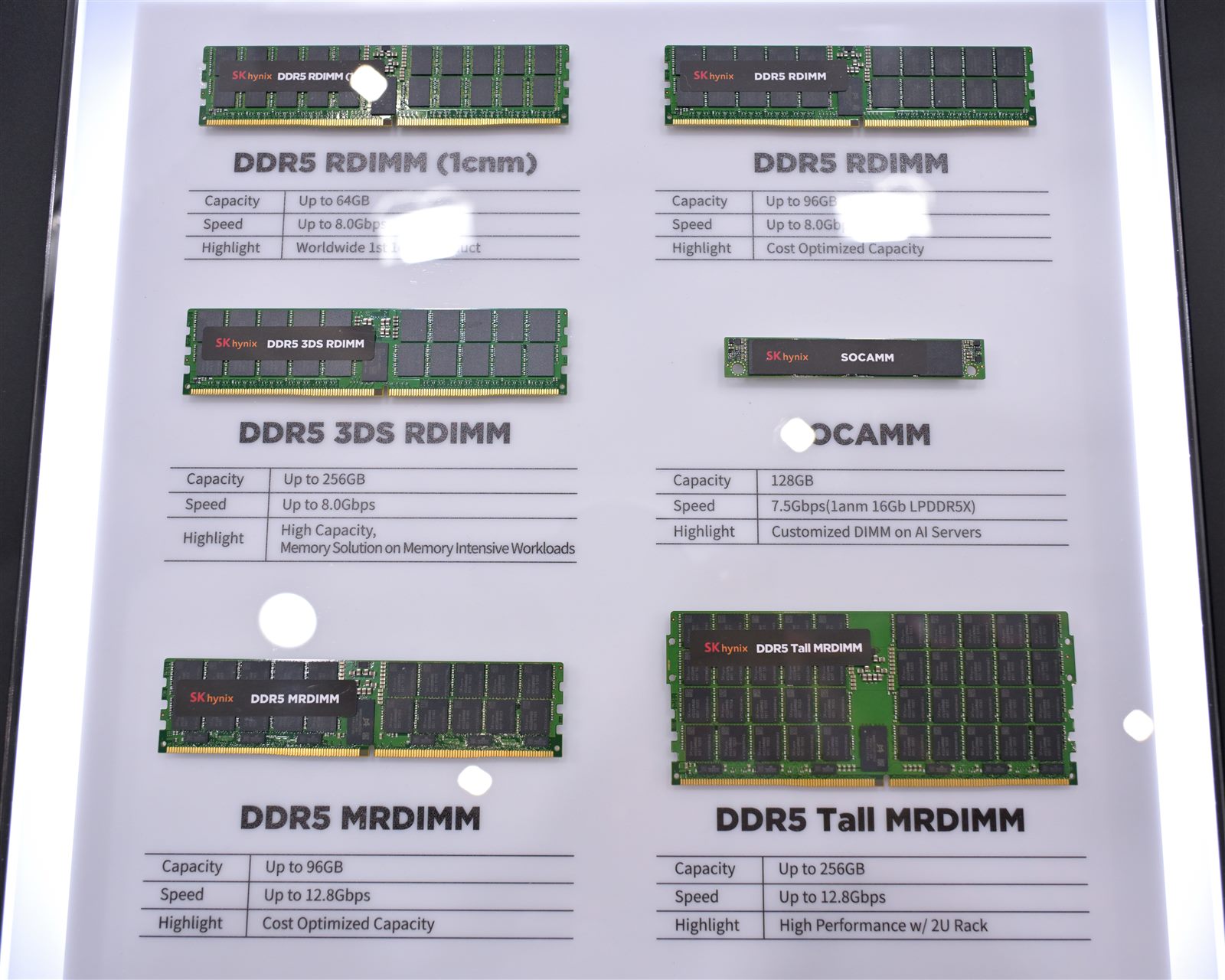
RAM and SSD prices tripled and quadrupled in 2026 because AI data centers outbid consumers for the same memory wafers. A 32GB DDR5 kit that sold for about $90 a year ago now lists near $375 (Tom's Hardware, 2026), and a 2TB NVMe SSD that cost $130 now runs $300 to $480 (TechTarget, 2026). The shortage is structural, not a blip.
Memory makers redirected wafer capacity to high-bandwidth memory for AI accelerators, where one HBM3E stack sells for $60 to $100 versus $5 to $10 for a comparable amount of DDR5 (TechFuel, 2026). AI workloads are projected to absorb about 20% of global DRAM wafer capacity in 2026 (IDC, 2026). The consumer DIMM lost the bidding war.
Why did RAM prices explode in 2026?
DDR5 spot prices surged 307% from September to November 2025 alone, and the mainstream DDR4 spot chip jumped from $12 to $37 by July 2026 (TrendForce, 2026). The catalyst was not a factory fire or a shipping disruption. It was a deliberate reallocation: memory fabs took the same wafer capacity and pointed it at the product that earns several times more per square millimeter.
DRAM contract prices climbed 55% to 60% in Q1 2026 alone (TechFuel, 2026), and the trend continued through the second quarter. By June 2026, Tom's Hardware's daily tracker recorded the cheapest in-stock 32GB DDR5 kit in the US at $374.97, a component class that routinely sold for $80 to $120 a year earlier (Tom's Hardware, 2026). High-capacity 64GB kits that sat near $150 through 2025 now commonly list above $600.
High-bandwidth memory (HBM) is the reason. It is a stacked DRAM type that AI accelerators like NVIDIA's H100 and H200 GPUs use to feed data to thousands of processing cores. Each HBM3E stack delivers roughly 1.2 terabytes per second of memory bandwidth, about five times what a standard DDR5 DIMM can provide (SK Hynix, 2026). That bandwidth is what makes training and inference on large models possible.
The catch is that HBM devours wafer area. One gigabyte of HBM consumes roughly the silicon area of four gigabytes of conventional DRAM (TechFuel, 2026). So every stack that goes into an AI GPU is four gigabytes of consumer DDR5 that never gets manufactured. When NVIDIA, AMD, and cloud providers are willing to pay $60 to $100 per stack versus $5 to $10 for the equivalent DDR5, the economic math is overwhelming.
Is this AI demand or a price-fixing cartel?
It is physics, not conspiracy. The three major memory makers (Samsung, SK Hynix, and Micron) all face the same constraint: fixed wafer capacity and a product mix decision. When AI customers pay multiples more for the same silicon, the rational choice is to reallocate. Micron has acknowledged it can meet only 55% to 60% of its core customers' demand (Micron, 2026), which means even the AI buyers are not fully served.
TrendForce projects that AI workloads will absorb approximately 20% of global DRAM wafer capacity in 2026 (TrendForce, 2026). That is one in every five wafers that used to make DDR5 for desktops, laptops, and phones. The result is not a cartel squeezing consumers. It is a market where the most profitable buyer sets the price, and the rest get less supply at higher cost.
How much have RAM and SSD prices actually risen?
A 32GB DDR5 kit quadrupled from roughly $90 to $375. A 2TB NVMe SSD tripled from about $130 to $300 to $480. And the low-end 8GB eMMC chips used in budget laptops and single-board computers jumped a staggering 13 times, from $1.50 to about $20 (Tom's Hardware, TechTarget, 2026). Gartner expects combined DRAM and SSD prices to rise approximately 130% across 2026, pushing memory from 15% to 18% of total PC cost up to roughly 35% (Gartner, 2026).
| Component | Late 2025 | Mid-2026 | Change |
|---|---|---|---|
| 32GB DDR5 kit | ~$90 | ~$375 | ~4x (Tom's Hardware) |
| 64GB DDR5 kit | ~$150–200 | $600+ | ~3.4x |
| 2TB NVMe SSD | ~$130 | $300–480 | ~3x |
| 1TB NVMe SSD | ~$45 | ~$90 | ~2x |
| 8GB eMMC chip | $1.50 | ~$20 | ~13x |
How is the memory crisis hitting laptops and phones?
The crisis extends well beyond desktop builds. Laptop makers are absorbing higher memory costs and passing some of them to buyers. Configurations that shipped with 16GB as standard are being quietly cut to 8GB at the same price, or priced $100 to $150 higher for the same spec (Laptop Mag, 2026). Budget laptops with eMMC storage have been hit hardest, with some OEMs dropping storage from 128GB to 64GB in base models.
Smartphone makers face the same pressure. Flagship phones that typically carry 12GB or 16GB of LPDDR5X RAM are either absorbing the cost or adjusting launch prices. Counterpoint Research notes that memory now accounts for roughly 25% to 30% of a smartphone's bill of materials, up from 15% to 20% a year ago (Counterpoint, 2026). The effect ripples through every device category that uses DRAM or NAND flash, from tablets to smart TVs to game consoles.
Laptop prices are rising fast because of the memory crisis
Smartphone memory shortage: the hidden cost in your next phone
When will memory prices come back down?
The honest answer is not soon. Phison CEO Pua Khein-Seng warned in February 2026 that consumer electronics makers could go bankrupt by year-end if memory costs do not stabilize, and he said foundries are now demanding three-year prepayment agreements (Phison, 2026). In the worst case, he said the shortage could persist for a decade.
AMD said at Computex 2026 that DDR5 prices will not normalize until 2028 (AMD, 2026). Counterpoint Research expects the supply-demand balance to remain skewed through 2027, with suppliers covering only about 60% of global DRAM demand even a year from now (Counterpoint, 2026). New fabrication capacity takes three to five years to bring online, and even that only helps if AI memory demand moderates, which most analysts do not expect.
DDR6 is not a near-term fix either. JEDEC is expected to finalize the DDR6 specification in late 2026, with initial modules arriving in 2027 and mainstream availability probably not until 2028 (JEDEC, 2026). Early DDR6 modules will command a premium over DDR5, and fabs must run both DDR5 and DDR6 lines simultaneously during the crossover, which historically tightens supply further.
DDR6 RAM is coming: what it means for your next build
Should you buy RAM and an SSD now or wait?
Buy now if you need them. Analysts expect prices to peak in Q3 and Q4 2026, and meaningful relief is not expected before late 2026 or early 2027 (TechFuel, 2026; TrendForce, 2026). Waiting for prices to drop is the wrong move in 2026 specifically, because prices are far more likely to be higher in three months than lower.
- Lock in RAM and SSD early; they are the two parts that spiked hardest
- 32GB DDR5-6000 is the value point; 16GB is the brutal-budget floor
- Prefer Gen4 NVMe over Gen5; the gaming gap is near zero and the price gap is large
- Reuse any DDR5 or NVMe you already own; that 2024-priced kit is the cheapest memory you will buy in 2026
- Do not buy capacity you will not use this year; future-proofing at these prices is burning money
- GPUs, CPUs, and motherboards are comparatively stable; cut budget there before over-buying memory
What is the bottom line?
The 2026 memory crisis is a deliberate reallocation, not a factory failure. AI data centers pay several times more for the same silicon, so makers stopped making cheap consumer memory. Prices peak this year, normalize no sooner than 2027, and never return to 2024 levels in the near term. Buy what you need now, right-size the build, and stop waiting for a dip that is not coming.
Sources and further reading
- Tom's Hardware — RAM price tracker
- TrendForce — DRAM and NAND market data
- TechFuel — why RAM and SSDs are so expensive in 2026
- GPU Buying Guide 2026: Which Card Runs Your AI
- The Best AI Models of 2026, Ranked by Real Users
- Small Language Models Are the Most Underrated Story in Tech
- Self-Hosting AI in 2026: Why the Boom Is Just Starting
- ARM Laptops Surge: Why x86 Is Losing Ground
Bottom line
The 2026 memory crisis is a deliberate reallocation, not a factory failure. AI data centers pay several times more for the same silicon, so makers stopped making cheap consumer memory. Prices peak this year, normalize no sooner than 2027, and never return to 2024 levels in the near term. Buy what you need now, right-size the build, and stop waiting for a dip that is not coming.
What we still don't know
This is a fast-moving story. We update the post as new facts land — and we'll flag it when we do.
Enjoyed this? Pay it forward
A sharp story is worth passing on. Share it with the people who read tech like it matters.