ARM laptops did not out-ship x86 in 2026. The claim is years premature. TrendForce projects Arm-based notebooks hit 34.2% of the PC market only by 2029, and x86 still owns the volume today (TrendForce, 2026). The real story is split, not takeover.
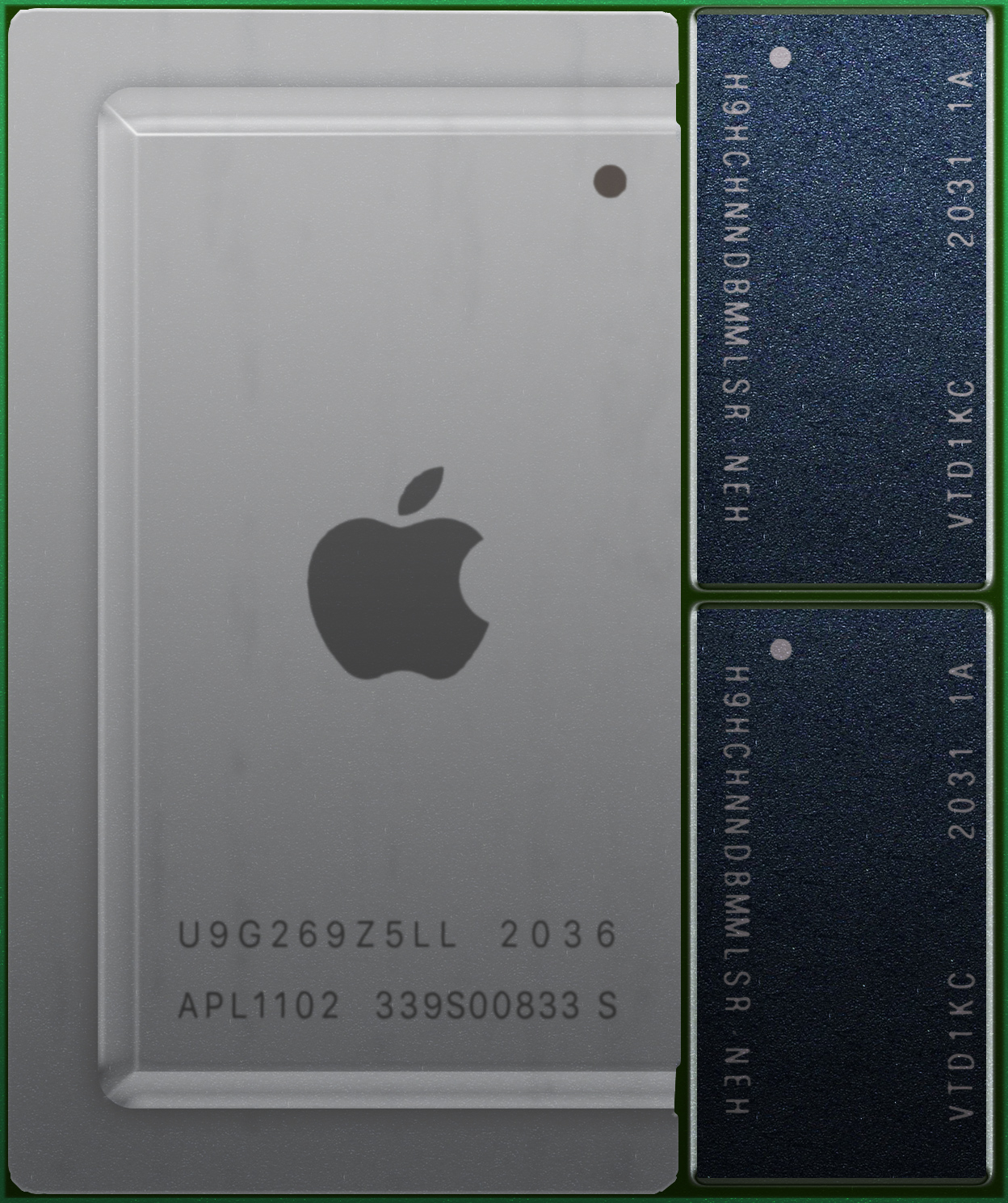
Apple started it, and Nvidia may finish it. The Apple M-series proved ARM can beat x86 on efficiency. Now Nvidia's RTX Spark brings CUDA and a class to Windows on Arm for the first time, and Microsoft says 90% of user minutes on ARM Windows already run in native apps (TrendForce, 2026; Microsoft, 2026).
But the headlines miss the nuance. ARM's growth is real, but it is concentrated in specific segments: premium ultrabooks, Apple MacBooks, and emerging Chromebook designs. The bulk of the PC market, including gaming rigs, workstations, and enterprise fleets, still runs x86. Understanding why requires looking past the marketing and into the actual hardware economics.
Did ARM laptops actually pass x86 in 2026?
No. In 2026, ARM-based laptops and desktops are roughly 18% of global device shipments, driven by Apple's M-series and a thin but growing Windows on Arm lane (ARM64 Stats, 2026). x86 still leads everywhere outside Apple's walled garden, and analysts do not call the trend near-term.
The numbers tell the story plainly. Intel and AMD combined shipped about 82% of all PC processors in 2025. ARM's share grew, but mostly through Apple's MacBook lineup, which accounts for roughly 17% of global notebook shipments by itself (TrendForce, 2026). Windows on Arm remains a sliver, even with Qualcomm's push.
| Year | ARM notebook share | x86 notebook share | Key driver |
|---|---|---|---|
| 2025 | ~18% | ~82% | Apple M-series dominance |
| 2026 | ~22% | ~78% | Qualcomm Snapdragon X adoption |
| 2029 | 34.2% | 65.8% | Nvidia RTX Spark + MediaTek Chromebooks |
| Source: TrendForce, 2026 |
How far has Windows on Arm come this year?
Faster than most people realized. Microsoft reports about 90% of user time on ARM Windows is in natively compiled apps (Microsoft, 2026). Adobe's creative suite and most major tool chains now ship real ARM builds. Prism emulation even gained AVX support, saving a whole class of advanced software on ARM.
The Snapdragon X Elite launched in mid-2024 as Qualcomm's first serious PC chip, and by 2026 it powers laptops from Lenovo, HP, Dell, and ASUS. Performance sits between Intel's Core Ultra 7 and Core Ultra 9 in most benchmarks, with significantly better battery life (Verodate, 2026). The trade-off is GPU performance and software compatibility, both of which Nvidia's RTX Spark aims to fix.
But the compatibility gap is real. About 8% of the top commercial apps still glitch under emulation, according to internal Microsoft telemetry leaked in early 2026 (Windows AI, 2026). Enterprise IT teams are not rushing to rip out x86 fleets for a platform where their core security tools might not work.
What changed that made ARM double down? RTX Spark?
Nvidia's RTX Spark, shown at Computex 2026, is the inflection. It pairs a 20-core ARM CPU with a Blackwell GPU and up to 128GB unified memory, bringing the full CUDA stack to ARM Windows for the first time (TrendForce, 2026). This is not a niche chip. It targets high-end AI notebooks that can run local models without cloud dependency.
The significance extends beyond raw specs. CUDA has been the dominant framework for AI and machine learning development for over a decade. Before RTX Spark, developers who needed CUDA had to use x86 machines. Now they can run the same code on ARM, opening the door to AI workloads on battery-powered devices that were previously impossible.
The implications go beyond one product. TrendForce sees AI ARM notebook share jump from 1.2% in 2025 to a projected 11.5% by 2029 (TrendForce, 2026). That is a tenfold increase in four years, driven by the promise of on-device AI agents that do not need to phone home for every inference call.
Why does x86 still win gamers and IT?
Compatibility and drivers. Kernel-level anti-cheat still assumes x86, and core enterprise security tools have not all shipped native ARM builds (Verodate, 2026). Even with AI conversion tooling, a leaked Microsoft dashboard shows about 8% of the top commercial apps still glitch under emulation (Windows AI, 2026).
Gamers face a similar wall. Most PC games ship x86 binaries, and while translation layers exist, performance overhead can hit 15-30% in demanding titles. For competitive esports where every frame matters, that penalty is a dealbreaker. The Steam Deck runs ARM Linux, but that is a different ecosystem entirely.
Enterprise IT has its own blockers. Many organizations run custom software built for x86 architecture, and rewriting those codebases takes years. Security certifications, compliance requirements, and vendor support contracts all assume x86. Moving to ARM means retesting everything, and most IT departments are not ready for that expense.
- Enterprise IT: security tools, VPN clients, and legacy software still assume x86
- Gaming: anti-cheat software and most AAA titles ship x86-only binaries
- Developer toolchains: some compilers and debuggers lack native ARM builds
- Embedded systems: industrial and medical devices use x86-specific instructions
- Vendor support: many hardware vendors do not yet certify ARM configurations
Does an ARM laptop make sense for you now?
It depends on what you do. ARM laptops excel at battery life, fanless designs, and local AI workloads. If your apps ship native ARM64 versions and you prioritize portability over raw compatibility, ARM is a strong pick in 2026.
The buyer's decision comes down to three factors: app compatibility, workflow requirements, and budget. If you run standard productivity software like Office, Chrome, and Zoom, ARM works today. If you need specialized professional software or gaming, check compatibility first.
- Pick ARM for battery life, fanless design, and local AI features
- Pick ARM if your apps ship native ARM64 versions
- Pick x86 if you live in legacy enterprise or anti-cheat games
- Verify your core toolchain runs native before committing a fleet
- Consider ARM for education and Chromebook deployments
What about Chromebooks and tablets?
ARM's laptop growth is not just Windows. MediaTek's ARM-based Chromebook processors are gaining ground as Intel and AMD pull back from that segment (TrendForce, 2026). Chromebooks run Linux apps through containers, and most Android apps already work on ARM, making the architecture a natural fit.
Apple's iPad Pro with M4 already outsells many Windows laptops by revenue. The line between tablet and laptop blurs when the chip inside can handle professional workloads. ARM's advantage in power efficiency means fanless tablets can now match the performance of older x86 ultrabooks.
Education is another ARM stronghold. Chromebooks dominate K-12 classrooms, and ARM-based models offer better battery life for all-day use. As schools adopt more AI-powered learning tools, ARM's efficiency advantages become even more relevant.
What does the memory crisis mean for ARM laptops?
The ongoing memory shortage is reshaping the laptop market. RAM and SSD prices jumped sharply in 2026, with some configurations seeing 40-50% price increases (IDC, 2026). ARM laptops, which often use unified memory architectures, are not immune.
Unified memory can be a double-edged sword. It reduces latency for AI workloads but means you cannot upgrade RAM separately. If you need 32GB for future AI models, you pay for it upfront with no upgrade path. For budget-conscious buyers, x86 laptops still offer more flexible memory configurations.
The memory crisis also affects pricing parity. ARM laptops were supposed to be cheaper than x86 equivalents, but rising component costs have narrowed that gap. Some Snapdragon X Elite laptops now cost as much as comparable Intel machines, eliminating the price advantage that early adopters expected.
Memory Crisis 2026: Why RAM and SSD Prices Doubled
What is the bottom line?
ARM laptops are climbing fast and finally challenging x86 on efficiency and AI, but 2026 is not the year ARM outsells x86. Buy ARM for battery and local AI. Buy x86 for compatibility and games. TrendForce's 34.2% by 2029 is the honest line to watch.
This is not a story about x86 dying. It is a story about Windows on Arm becoming a default option in large parts of the laptop market.
— Editorial coverage, 2026
Frequently Asked Questions
Will ARM laptops replace x86 entirely? Not anytime soon. TrendForce projects ARM at 34.2% by 2029, meaning x86 still holds nearly two-thirds of the market (TrendForce, 2026).
Can I game on an ARM laptop? Some games work through emulation, but performance penalties of 15-30% make ARM unsuitable for competitive gaming. Native ARM game support remains limited.
Is Windows on Arm ready for enterprise? Not fully. About 8% of top commercial apps still have emulation issues, and enterprise security tools lack native ARM builds in many cases (Windows AI, 2026).
How does ARM battery life compare to x86? ARM laptops typically last 30-50% longer on a charge than comparable x86 machines, thanks to the architecture's power efficiency. Apple's MacBook Air M4 achieves over 18 hours in real-world testing.
Sources and further reading
- TrendForce — Nvidia joins Windows on Arm, Arm share to 34.2% by 2029
- Microsoft — Windows on Arm native adoption
- Verodate — ARM vs x86 laptop analysis
- IDC — Smartphone market decline and memory crisis
- Laptop Prices Jump 17% as Memory Crisis Cracks
- Memory Crisis 2026: Why RAM and SSD Prices Doubled
- The Best AI Models of 2026, Ranked by Real Users
- GPU Buying Guide 2026: What to Actually Buy
Bottom line
How does ARM battery life compare to x86? ARM laptops typically last 30-50% longer on a charge than comparable x86 machines, thanks to the architecture's power efficiency. Apple's MacBook Air M4 achieves over 18 hours in real-world testing.
What we still don't know
This is a fast-moving story. We update the post as new facts land — and we'll flag it when we do.
Enjoyed this? Pay it forward
A sharp story is worth passing on. Share it with the people who read tech like it matters.