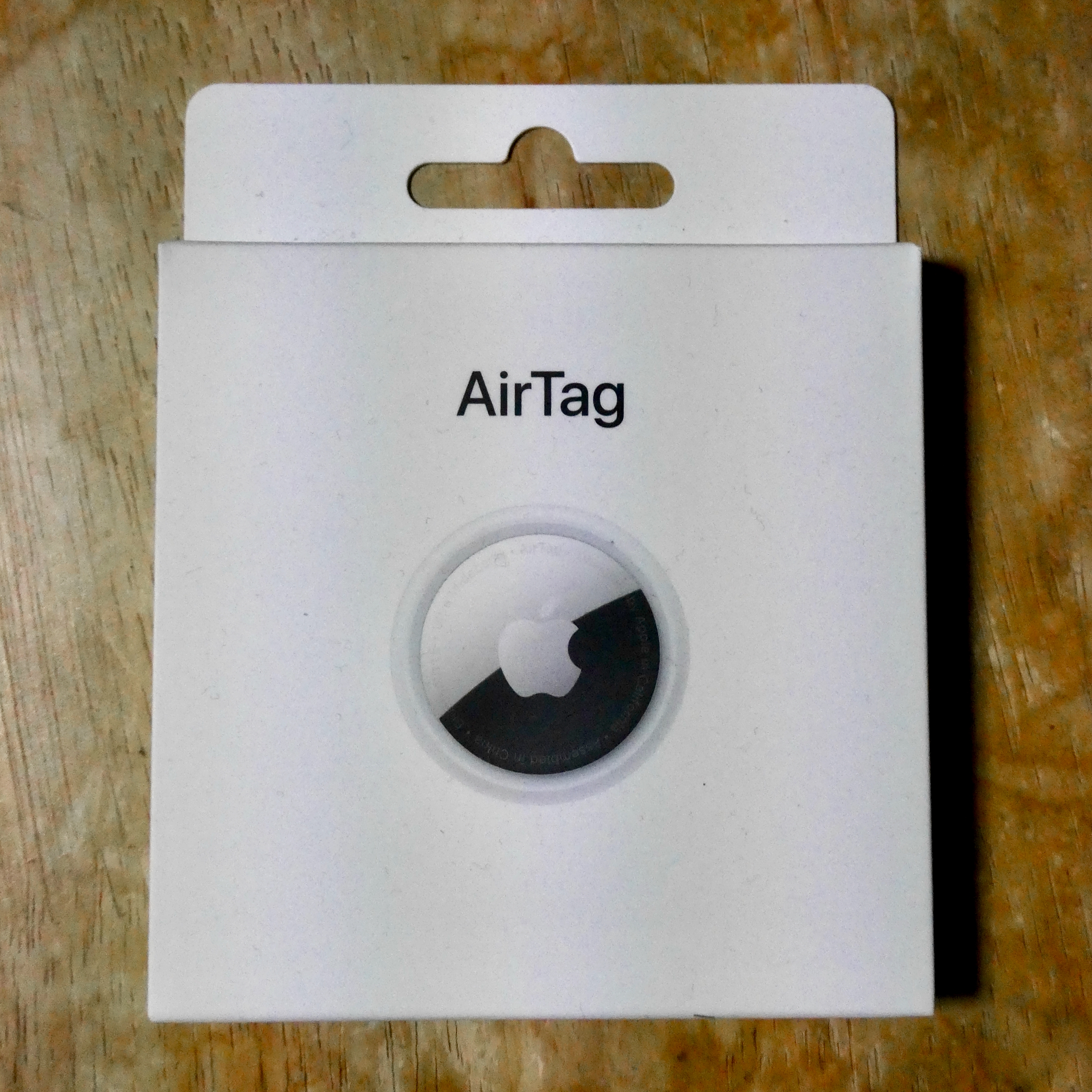
The stalking statistics moved faster than the law. Police records compiled by The Independent show incidents involving Bluetooth trackers and GPS devices rose a stunning 896% between 2018 and the end of 2024, from 57 reports to 568 (Independent, 2026). Reports linked to coercive control grew even faster, multiplying beyond tenfold. Abuse agencies now treat a cheap tracking device as a standard tool of intimidation, not a niche crime.
Why trackers became the go-to abuse tool
Price and silence did it. A key-finder like an AirTag costs a fraction of the old dedicated GPS units, lasts months on a coin battery, pairs to a phone in seconds, and hides inside a handbag lining or under a car seat. The Independent report details that the 57 reports logged in 2018 had become 568 by the close of 2024, and that coercive-control cases involving the same tech grew from 38 to 431, about 1,034% (Independent, 2026).
Perpetrators learn fast from streaming content and online guides. The tracker is bought openly, attached to a victim’s car or carried into their home, and monitored from an app that is also the alibi. That is why domestic-abuse charities now check for trackers as routine as they check passwords.
What the police data actually shows
| Category | 2018 | End of 2024 | Change |
|---|---|---|---|
| Stalking reports | 57 | 568 | +896% |
| Coercive control cases | 38 | 431 | +1,034% |
| Forces responding to FOI | All 44 asked | Only 18 | Partial data |
Read the last row carefully. The Independent asked 44 police forces for their numbers and only 18 provided any, which means the real total is bigger than the released figure. Absence of a police record is not absence of victims; it is the pattern that anti-stalking advocates call the undercount.
The spike is supply, not morality. A $25 device gave coercive partners a capability that used to cost a private investigator.
— Savviest analysis of FOI records, 2026
How trackers and stalking work in practice
The attack is usually not surveillance at all, it is control. An abusive partner plants a tracker once, catches the target violating a rule, and uses the location to escalate. Because the tracker reports to an app on the offender’s phone, owners never need physical access to the car again. The device sits quiet for months between checks, which is what makes casual searches useless.
The same hardware serves legitimate cuts, luggage and keys losses, kids’ bags, bike recovery. The abuse is a usage pattern, not the chip. That duality is why regulation keeps missing the crucial, and it is the reason the fix has to be device-level alerts, not policing the device type.
Can the anti-stalking alerts actually save you?
The trackers now trigger proximity alerts, finder sounds, and companion apps, but each has gaps. AirTag-family devices alert an iPhone user when an unknown tracker travels with them; Android users got the same in 2023; however the alert needs the phone on, the location service on, and the culprit not tapping the sound before removal. The system flags the last device, and the people who test it in Virginia found the threshold delayed by hours (Apple, 2024/2025).
- Turn on unknown tracker alerts in both major phone systems and keep them on.
- Scan your car during service or every month with a tracker-check run.
- For high-risk situations, use a pocket RF detector or a foil-lined bag as a low-cost block.
- Log a location report with a case number you can later evidence.
Those four steps cover the device half. The other half is process: a text thread, a second SIM for a high-risk period, and a safety plan worded around the fact that trackers rarely disappear.
What the manufacturers and the law are doing
Apple, Google, and Samsung jointly committed to a cross-platform detection standard in 2025, and new device alerts share location with the platform regardless of brand. Some states and jurisdictions now specifically criminalize planting a tracker on another person’s property without consent, and the 2024 UK approach treats it as stalking law already covers (Apple, 2025).
Enforcement still has a bottleneck: victims usually find the device after the escalation, phrase the report wrong, hit a specialist unit they do not have, or get turned away by a front desk after 18-force gaps. The FOI gap is evidence of the backend problem as much as the front door one.
The cross-platform alert standard, explained
The voluntary tracktag spec means an AirTag seen by an Android phone can trigger an alert there, and a Tile seen by an iPhone behaves the same as a first-party tag. The theory is protection without brand boundaries. In practice, analyses find alerts for newer AirTag cases are timely, while cycling through the tweaked clones and cheap widget trackers still depends on brand cooperation.
This is why the data in this article matters: the same brand that solves the AirTag problem skies nothing about a $8 knockoff beacon bought in a mall. Policy that focuses on the famous brand is fighting yesterday’s tool. Personal checks, not brand alerts, remain the only complete door.
What to do if you find a tracker
- Do not touch or trigger it for breaking the casing; disable by removing the battery if safe.
- Take photos of the device, prints, and where it was, in place.
- Call the stalking or domestic unit and ask for a case number rather than a generic incident number.
- Report the device ID to the platform; it can freeze the owner’s account.
- If it was hidden on a vehicle you do not drive alone, get more cars checked too.
Document before destroy is the whole motto. A photo of where it hid and the sticker serial is evidence; throwing it in a bin without a photo hands the offender the "how did that get there" loop to defend. Keep the device in a Ziploc if the police want the battery.
Why the FOI numbers are likely a floor, not a total
The 568 reports are best read as a minimum. Only 18 of the 44 forces the Independent asked actually answered, and the victims’ records chart a far larger shadow: an FOI-dependent figure counts only reports an officer classified as stalking, so a case logged as harassment or coercive control never lands here (Independent, 2026). Experts estimate the real tracker-stalking rate sits well above the released count when unreported cases join the file.
The gap also shows how the number is built. Half the forces simply did not pull the category; others pulled only the keyword "AirTag" on the charge sheet, missing the tracker cases reported generically. That aggregation noise is why every abuse agency treats "reported" as lower than "actual," and why the growth story matters more than the exact denominator.
Who is most at risk of tracker-based abuse
The per-person risk is not spread evenly. UK charity data and the FOI rows both point the same way: women leaving abusive relationships, co-parents in custody disputes, journalists under surveillance, and workers in high-risk jobs (abuse charities, 2026). Offenders tend to install after the separation escalates, in the window when the victim most needs freedom of movement and least expects a fresh violation.
The practical lesson is to treat the tracker as a chapter in a coercive-control story, not a lone gadget. Military and corporate insiders get training; so should anyone at the exit of a dangerous relationship. A ten-second bumper check is a habit, not an accusation, and it costs nothing to keep beside the well-placed pepper spray.
Tech defenses that actually hold up in 2026
Start with the device’s own countermeasures. Both major phone ecosystems now alert when an unrecognized tracker moves with you for a few hours, and brand-agnostic scanner apps run a sweep of the radio band. Those alerts have limits: an offender who activates the tracker only on a shopping trip can slip the continuous-follow detection, and a cash-clone beacon with no official pairing can evade the OS layer (cross-platform tracking detection, 2025).
The reliable layers go deeper: an RF detector that you sweep over the car seam weekly, a spacer bag or grounded Mylar pouch for the laptop on travel, and a spare SIM used to keep a burner phone visible only to you on high-risk days. None of these replaces the five-step case procedure, but together they compress the attacker’s window into near-instant feedback.
When to take a case to the police and how to screen it
Make the report specific enough to survive an overnight desk. Bring a printed timeline plus the serial photo, and say the phrase "stalking and coercive control," because those are the categories the record system buckets under. If the first officer hesitates, ask for the specialist team; the FOI gap shows that most forces have one even when a front desk does not reach for it (Independent, 2026).
And keep a copy of everything in two places, a device photo and a cloud copy, before you remove the battery. Cases built on "I found this under my car" with a serial and a screenshot beat "I had this strange feeling" in front of any reviewer, regardless of how the platform alert performed.
Key takeaways
- Tracker stalking reports rose 896% between 2018 and 2024, coercive-control cases 1,034%.
- Only 18 of 44 police forces answered the FOI, so the true totals are likely higher.
- Cheap, hidden trackers create a control spiral, not just a technical bug.
- Cross-platform alerts exist but miss cheap clones and rely on the app being on.
- Log in formation, capture a serial, and default to a case number.
Frequently asked questions
How common is stalking with AirTags?
UK FOI data shows 568 tracker-stalking reports in 2024 versus 57 in 2018, a jump of almost 900%, and coercive-control cases rose 1,034%.
Can someone track my car without my phone notices?
Platform alerts exist, but clones and battery-disabled cheats evade them. Monitoring, monthly scans, and not leaving a target device in the car are safer.
What should I do if I find a tracker attached to my car?
Photo the serial in place, remove the battery, notify the police and the platform, then get a case number before making any other calls.
Is planting a tracker on someone illegal?
In most U.S. states and under UK stalking law, device planting without consent is criminalized; a conviction usually depends on intent and your evidence trail.
- Best private browsers that leak the least in 2026
- Buying guide: which VPN is actually safe
- Digital minimalism as a privacy reset
- The Independent FOI tracker report
- Apple and Google anti-stalking spec
Bottom line
And keep a copy of everything in two places, a device photo and a cloud copy, before you remove the battery. Cases built on "I found this under my car" with a serial and a screenshot beat "I had this strange feeling" in front of any reviewer, regardless of how the platform alert performed.
What we still don't know
This is a fast-moving story. We update the post as new facts land — and we'll flag it when we do.
Enjoyed this? Pay it forward
A sharp story is worth passing on. Share it with the people who read tech like it matters.