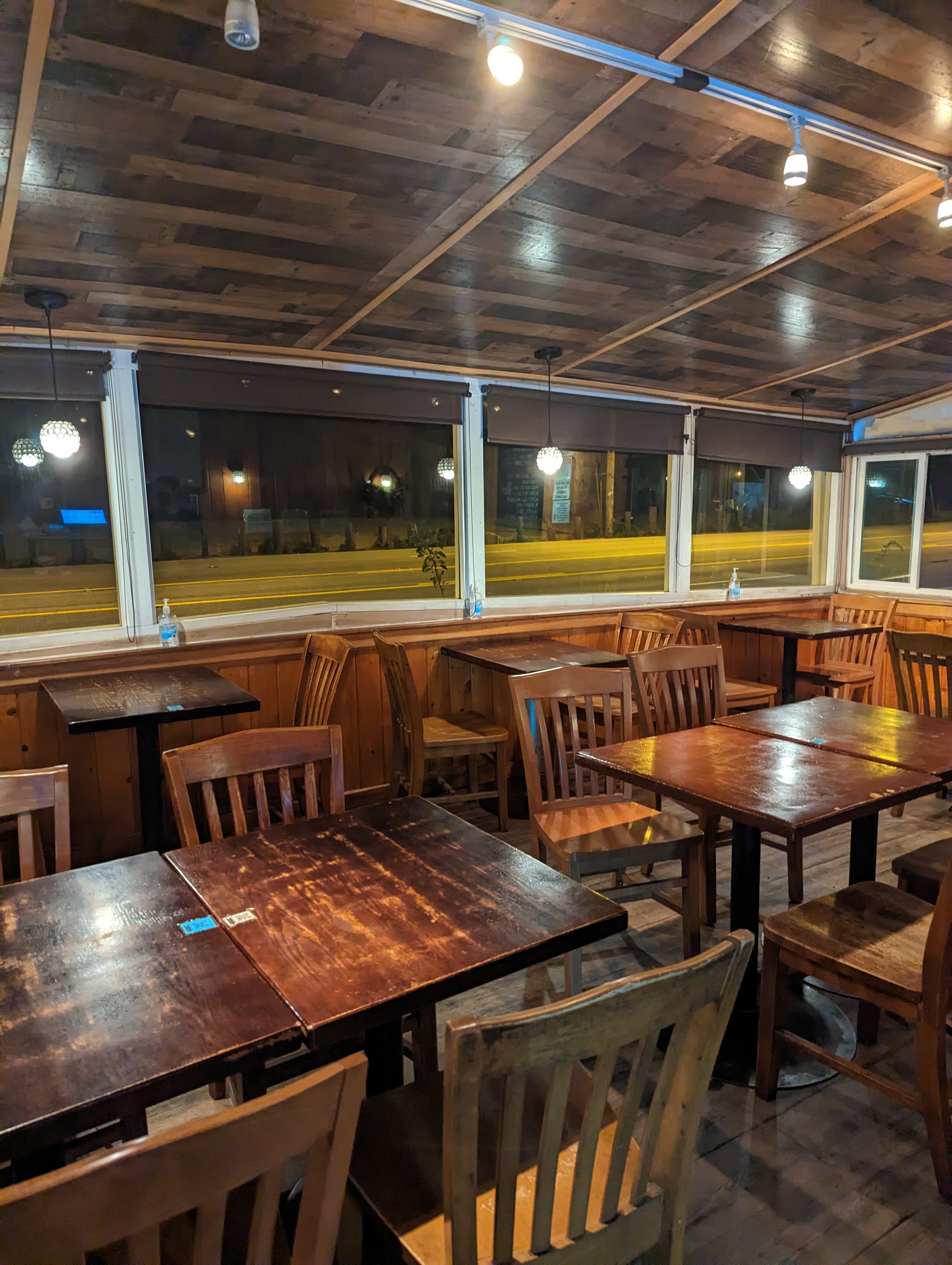
New restaurants in 2026 open smaller because the math stopped working for big dining rooms. Commercial rent per square foot climbed for years, labor costs keep rising, and delivery shifted a share of meals out of the dining room entirely, so the economics now reward a tight kitchen, a small counter, and a lean menu. The shift is reshaping how and where Americans eat.
The trend shows up across formats. Ghost kitchens, counter-service shops, and micro restaurants of a few hundred square feet are outgrowing the full-service giants. Quick service restaurants grew sales by 5.7 percent in 2024 while full-service chains shrank, according to Technomic's Top 500 report (Technomic, 2025). Counter-service concepts now make up more than 60 percent of new openings among the country's largest chains. What is lost in space is gained in speed, lower overhead, and the ability to survive a slow Tuesday.
What exactly is "small format" in restaurants?
A small-format restaurant is any concept designed around a footprint of 200 to 1,500 square feet, with a limited menu and a lower build cost. Formats range from counter-service shops and takeout windows to delivery-only kitchens, all sharing the same bet: fewer seats, lower rent, higher turnover. The average restaurant startup cost sits at $375,000, but a micro concept can launch for a fraction of that because there is less space to lease, furnish, and equip (Toast, 2024). That lower barrier to entry draws first-time owners and seasoned operators alike.
The small-format model also compresses the decision loop for diners. A focused menu of eight to twelve items means faster ordering, faster cooking, and faster table turns. Some operators report they serve the same number of covers in a 600 square foot space that they once needed 2,000 square feet to handle, because the throughput per square foot goes up when the menu shrinks.
Why is rent pushing restaurants to downsize?
Rent is the fixed cost that does not flex with a slow night. Average commercial rents in major US metro areas range from $23 to $35 per square foot annually, according to CBRE data (CBRE, 2024). A 3,000 square foot dining room carries $69,000 to $105,000 in annual rent whether it is packed or empty. Post-pandemic foot traffic never fully returned to pre-2020 levels in many cities, and the restaurants that survived the shakeout learned to minimize the space they pay for.
The math is simple. A 600 square foot counter-service shop pays $13,800 to $21,000 in annual rent. That is roughly one-fifth of what a full-size dining room costs, and the break-even point drops with it. Operators who pivoted to smaller footprints during the pandemic found they could stay profitable at lower volume, which changed the calculation permanently. Shrinking the footprint shrinks the risk on every slow day, and in an industry where profit margins average just 3 to 5 percent, risk reduction matters more than revenue ambition (Toast, 2024).
How do labor costs factor into the shrink trend?
Labor is the other cost wall. The US restaurant industry employs roughly 15.7 million people, and minimum wages have risen to $16 to $20 per hour in many states by 2026 (National Restaurant Association, 2024). A smaller dining room needs fewer servers, fewer bussers, and often no host stand at all. Counter service cuts the front-of-house staff to a fraction, and a focused menu means the kitchen runs with a leaner crew. When labor eats 30 to 35 percent of revenue, every headcount reduction matters.
- Counter-service models cut front-of-house labor by 50 to 70 percent
- Smaller menus reduce prep time and back-of-house staffing needs
- Kitchen display systems replace expediters in tight operations
- Digital ordering kiosks handle transactions without additional cashiers
Staff turnover compounds the problem. The restaurant industry faces annual turnover rates north of 75 percent, which means constant recruitment and training costs. A leaner operation with fewer positions to fill reduces the churn and the hidden expenses that come with it.
How does delivery change the math?
Delivery takes meals that used to need a table and turns them into pickups, so a big dining room no longer pays for itself. The National Restaurant Association reports that delivery and takeout now account for 30 to 40 percent of orders at urban restaurants, up from roughly 20 percent before the pandemic (National Restaurant Association, 2024). That share works better in a small kitchen with a short menu and a fast line. A ghost kitchen that does not even bother with a dining room can allocate every square foot to cooking and staging.
The tradeoff is the delivery platform cut. DoorDash, Uber Eats, and Grubhub charge restaurants 15 to 30 percent per order, which squeezes margins on every off-premise sale (Second Measure, 2024). Small operators manage the hit by running tighter menus, turning orders faster, and pushing direct ordering through their own apps. The ones who survive are the ones who treat delivery as a core channel, not a side bet.
What are ghost kitchens and how are they reshaping the market?
Ghost kitchens are commercial kitchens set up exclusively for delivery, with no dining area and often no street-facing signage. The global ghost kitchen market was valued at $43.18 billion in 2024 and is projected to reach $139.39 billion by 2034, according to Allied Market Research (Allied Market Research, 2024). In the US, they range from single-operator kitchens in industrial parks to shared facilities housing a dozen virtual brands under one roof.
The appeal is straightforward. A ghost kitchen operator avoids front-of-house build-out, skips the lease premium of a street-facing location, and can test multiple brands in the same space. Some shared ghost kitchen facilities let operators spin up new concepts for under $10,000 in equipment costs, compared to $375,000 or more for a traditional restaurant build (Toast, 2024). The model is not without risk, but the low entry point explains why growth continues.
| Factor | Traditional Restaurant | Ghost Kitchen |
|---|---|---|
| Average footprint | 2,000–5,000 sq ft | 200–1,500 sq ft |
| Startup cost | $375,000+ average | $10,000–$100,000 range |
| Front-of-house staff | Servers, hosts, bussers | Minimal or none |
| Revenue channels | Dine-in dominant | Delivery and takeout only |
| Lease premium | Street-facing location | Back-of-house or industrial |
| Menu flexibility | Full or varied menus | Focused, top sellers only |
What does this mean for your bill and your menu?
Smaller menus mean tighter, more seasonal cooking and less waste. Counter service often drops prices because the tip-for-table service model disappears. Some small-format spots in prime locations raise prices to cover rent, but the overall trend pushes check averages down. You trade a reservation for a shorter wait and a faster meal, and dedicated delivery kitchens focus on the top sellers and nothing else.
- Smaller menus mean tighter, more seasonal cooking and less waste
- Counter service often drops prices because the tip-for-table service is gone
- Some small formats raise prices to cover rent in prime locations
- You may trade a reservation for a shorter wait and a faster meal
- Dedicated delivery kitchens focus on the top sellers and nothing else
Is the big dining room really dying?
Not dying, but thinning out. Full-service flagship restaurants still exist and still thrive in dense, wealthy districts. The US restaurant industry hit $1.1 trillion in sales in 2024 and is projected to reach $1.5 trillion by 2030, so the overall market keeps growing (National Restaurant Association, 2024). The shift is at the margin. The new concepts that would have opened as 5,000 square foot halls a decade ago now open as 800 square foot counters, because that is the format that survives a slow Tuesday, absorbs a rent spike, and keeps the lights on when delivery orders carry the night.
The restaurant industry still runs on passion, timing, and a good recipe. But the economics of 2026 reward the operators who keep their footprints tight, their menus focused, and their overhead lean. The small-format boom is not a fad or a cycle that reverses next year. It is the industry adapting to the cost reality it lives in, and the diners who figure out where the best small kitchens hide will eat better for less.
Sources and further reading
- National Restaurant Association — state of the industry
- Technomic Top 500 Chain Restaurant Report 2025
- CBRE US commercial real estate outlook
- Toast — restaurant failure rate and startup costs
- The four-day week corporate rollout
- Allied Market Research — ghost kitchen market forecast
- Second Measure — food delivery market share
- Stop Buying This — Obsolete Products of 2026
- Subscription Costs Are Out of Control in 2026
- About Savviest — editorial policy and methods
Bottom line
The restaurant industry still runs on passion, timing, and a good recipe. But the economics of 2026 reward the operators who keep their footprints tight, their menus focused, and their overhead lean. The small-format boom is not a fad or a cycle that reverses next year. It is the industry adapting to the cost reality it lives in, and the diners who figure out where the best small kitchens hide will eat better for less.
What we still don't know
This is a fast-moving story. We update the post as new facts land — and we'll flag it when we do.
Enjoyed this? Pay it forward
A sharp story is worth passing on. Share it with the people who read tech like it matters.