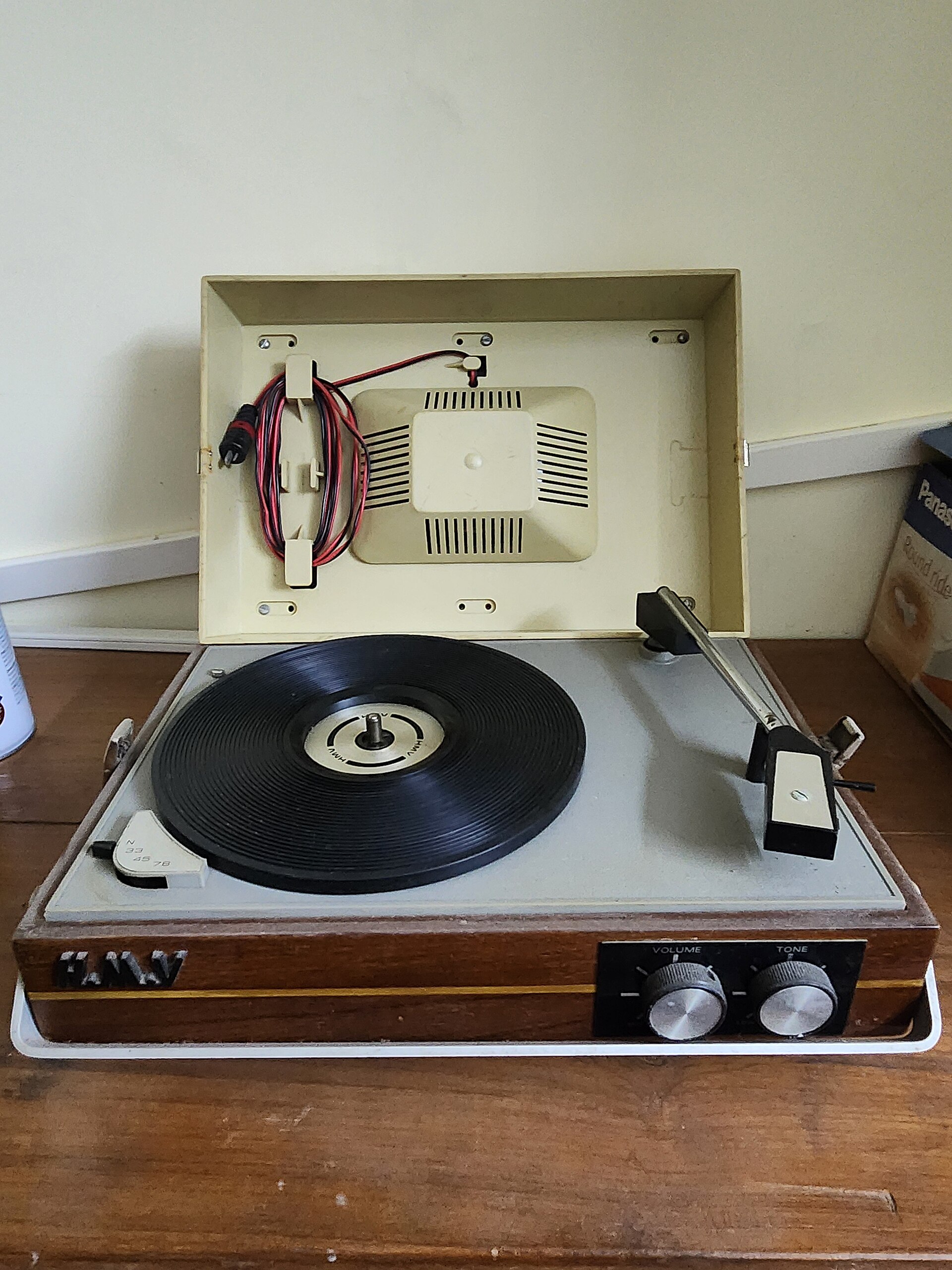
Products don't break when companies stop supporting them. They break when you try to use them six months later and nothing works. In 2026, the list of quietly dying products is longer than ever: physical game discs, cloud-dependent smart home gear, last-gen wired peripherals, and software licenses tied to platforms losing momentum (Sony, 2026; Microsoft, 2026). The stores keep stocking them because inventory still clears, but the support timeline behind each box is already shrinking.
Buying obsolete isn't always a mistake. Sometimes you get a bargain on gear that still works fine for years. Sometimes you buy a doorstop with a receipt. The difference comes down to three questions you need to ask before the register prints, not after.
What counts as quietly obsolete in 2026?
A quietly obsolete product is one that still functions and still sits on shelves, but is losing the ecosystem that keeps it useful. The manufacturer has stopped issuing updates, the parts pipeline is drying up, accessories are harder to find, and resale value drops with every quarter. Physical media, cloud-only devices, and wired peripherals without adapter paths all fit this pattern. The danger isn't that the product stops working overnight. It's that the moment you need support, there's none left.
More than half of people in western countries have at least one broken or unused electronic device sitting at home that isn't economically worth repairing (iFixit, 2024). That pile grows every time a product crosses the invisible line from supported to abandoned. The devices in that pile aren't junk yet, but they're heading there.
Which products are the biggest traps right now?
Some product categories are actively losing their support scaffolding in 2026. Others already lost it and are still being sold at full price. Here's where the traps are deepest.
Physical game discs top the list. Sony ended production of physical PlayStation disc editions in January 2025, and new physical disc releases for PS5 are winding down through 2028 (Sony, 2025). Nintendo and Microsoft have already shifted most sales to digital. Industry tracking shows physical game revenue dropped below 30% of total game sales in 2025 for the first time, down from over 80% a decade ago (NPD Group, 2025). If you're buying a disc-only console as an investment, you're buying into a shrinking pool.
Cloud-dependent smart home hubs and cameras are the most volatile category. When a manufacturer shuts down cloud servers, the hardware doesn't break, it just stops receiving commands. Smart locks, security cameras, and thermostats from smaller brands have been hitting end-of-life at accelerating rates since 2023. Once the cloud goes down, your smart home becomes a dumb home with a blinking LED. The fix is choosing devices that work locally first: Matter-compatible gear runs on local networks without cloud dependency, and Zigbee or Z-Wave hubs from Philips Hue and Aeotec have offline modes that keep working even if the company folds.
3.5mm headphone jacks, USB-A ports, and proprietary charging cables are disappearing from new devices. Apple removed the headphone jack from iPhones in 2016, and the trend has only accelerated. By 2026, most flagship phones ship with USB-C only, and laptop makers are dropping USB-A entirely. Your old wired peripherals still work, but the adapter ecosystem is thinning and the compatibility issues are multiplying.
- Physical game discs: PS5 disc editions ended production in 2025; new disc releases winding down through 2028 (Sony, 2025)
- Cloud-only smart home devices: no internet equals no function, with server shutdowns accelerating
- Proprietary charging cables: USB-C is now the global standard per EU regulation effective 2024
- 3.5mm wired peripherals without USB-C adapters: compatibility is shrinking with each laptop and phone generation
- Software licenses tied to dying platforms: once the platform goes, the license goes with it
How do you tell a bargain from a trap?
Three questions separate a good deal from a bad one. First, does the manufacturer still actively support this product with updates and parts? Second, can you replace the battery or common wear components yourself or through an independent shop? Third, does the device work offline if the cloud service disappears? A yes on any of these keeps it useful. A no on all three means you're buying a countdown.
96% of independent repair shops report they have to turn customers away because of manufacturer repair restrictions (iFixit, 2024). That stat matters because it tells you what happens when something breaks: even if you want to fix it, the parts and tools may not be available. Check the repairability score before buying. France's repairability index, launched in 2021, now covers over 1,192 products and rates them on a 1-to-10 scale for how easy they are to fix (French Government, 2022).
Why do stores keep selling things that are dying?
Retailers sell what distributors ship, and distributors sell what manufacturers produce. The manufacturer stops production long after it stops meaningful support, and the store's job is to clear the shelf, not warn you about the timeline. The box doesn't carry an expiration date. The support page does.
Right-to-repair legislation is starting to change this dynamic. California's Right to Repair Act, effective July 2024, requires manufacturers to provide parts and tools for seven years after production ends (California SB 244, 2024). Minnesota's law, the first to cover home appliances, went into effect the same month. Oregon's parts pairing ban, effective January 2025, prevents manufacturers from using software to block third-party repairs (Oregon SB 1596, 2025). These laws don't stop stores from selling old stock, but they do extend the useful life of what you buy. The memory crisis is another angle worth watching as supply constraints reshape pricing across the industry.
What should you buy instead?
Favor products with three qualities: a stated support window, replaceable parts, and offline capability. Framework laptops ship with replacement parts, repair manuals, and a modular design that lets you swap components yourself. Fairphone offers the same philosophy for smartphones. Both companies publish support timelines that extend well past the typical two-year upgrade cycle.
| Dying Product | Trap Risk | Better Alternative | Why |
|---|---|---|---|
| Physical PS5 discs | High — library shrinking | Digital purchases on PSN | Future-proof; works on any PS5/PS6 |
| Cloud-only smart locks | High — server shutdown = brick | Matter/Zigbee local locks | Work offline; no cloud dependency |
| USB-A peripherals | Medium — adapter market thinning | USB-C native devices | Universal standard; no adapters needed |
| Proprietary chargers | High — EU mandate kills them | USB-C chargers | Mandatory standard in EU from 2024 |
| License-tied software | Medium — platform death kills license | Open-source or DRM-free options | No platform dependency |
On gaming, buy digital on platforms with a clear future, or buy retro hardware that never phones home. Original Nintendo cartridges and PS2 discs still work because the consoles don't need server authentication. Modern disc-based consoles increasingly do. The irony is that the oldest physical media is often more durable than the newest.
The right-to-repair movement is your safety net
The right-to-repair movement is the single biggest force working against premature obsolescence. Canada passed the world's first national right-to-repair law in November 2024 (Bill C-244, 2024). The EU adopted its Right to Repair Directive in May 2024, requiring manufacturers to offer affordable repair services and prohibiting software locks that block independent repair (EU Directive 2024/1799, 2024). Texas passed its own right-to-repair bill in 2025, covering consumer electronics over $50 (Texas HB, 2025).
These laws don't make products immortal, but they extend the window where repair is legal, affordable, and practical. When you buy a product, check whether your jurisdiction has repair protections. The patchwork is growing, but it's still a patchwork.
The bottom line
The obsolete tax isn't paid at the register. It's paid at the resale counter, at the repair shop that can't get parts, and in the drawer where a once-working device now sits because the cloud shut down. Buy what's supported, keep what works offline, and treat still on the shelf as a fact about inventory, not a promise about the future.
Right-to-repair laws are expanding. Support windows are getting longer. The products worth buying in 2026 are the ones designed to outlast their own marketing cycle. Check the support page before the product page. It's the only receipt that matters.
- Sony — PlayStation hardware and disc production status
- Microsoft — product support lifecycle documentation
- iFixit — right to repair advocacy and repairability scores
- Repair.org — US right to repair legislation tracker
- EU Right to Repair Directive (2024/1799)
- The PS5 Blackout: What It Means for Digital Ownership
- Memory Crisis 2026: Why RAM Prices Are Surging
- About Savviest — editorial policy and methods
Bottom line
Right-to-repair laws are expanding. Support windows are getting longer. The products worth buying in 2026 are the ones designed to outlast their own marketing cycle. Check the support page before the product page. It's the only receipt that matters.
What we still don't know
This is a fast-moving story. We update the post as new facts land — and we'll flag it when we do.
Enjoyed this? Pay it forward
A sharp story is worth passing on. Share it with the people who read tech like it matters.