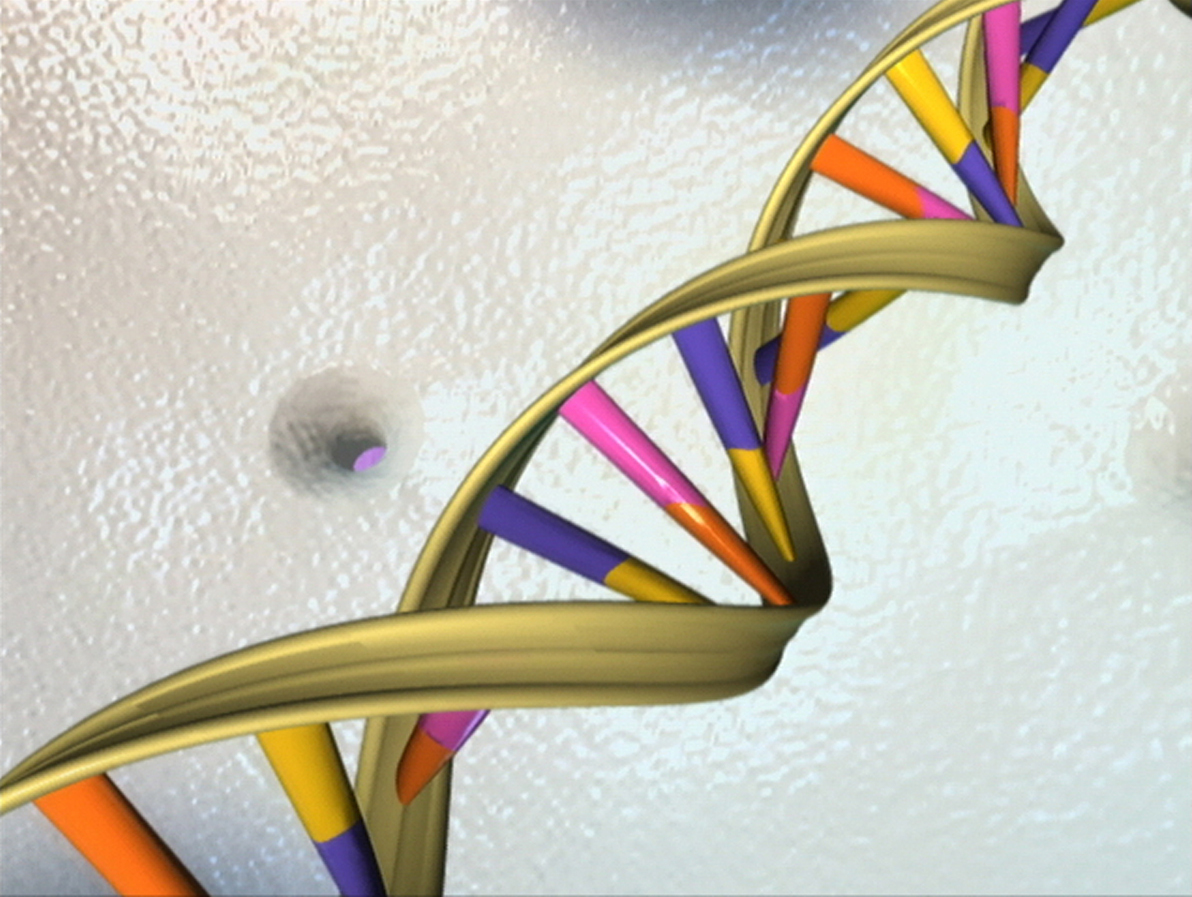
Base editing is moving from the lab into human patients, and the early results are striking. A single infusion of VERVE-102, an in vivo base-editing therapy that inactivates the PCSK9 gene in the liver, produced mean LDL cholesterol reductions of 21% to 53% across dose cohorts, with a maximum reduction of 69% in the highest dose group. No treatment-related serious adverse events were reported (Verve Therapeutics, 2025).
Unlike CRISPR's first generation, which cuts both strands of DNA, base editing makes a single-nucleotide change without double-strand breaks. This reduces the risk of off-target insertions or deletions, making it safer for therapeutic use. The approach mimics naturally occurring protective genetic variants and has earned FDA Fast Track Designation for VERVE-102 (Verve Therapeutics, 2025).
How does base editing differ from traditional CRISPR?
Base editors use a modified Cas protein fused to an enzyme that chemically converts one DNA base to another, such as an A to a G or a C to a T. This corrects the underlying genetic defect without cutting both strands. VERVE-102 delivers its machinery as a lipid nanoparticle-encapsulated mRNA and guide RNA, targeting hepatocytes in the liver (Verve Therapeutics, 2025).
Think of base editing like a pencil rather than scissors. Traditional CRISPR-Cas9 works by making a double-strand break in the DNA and then relying on the cell's repair machinery to complete the edit. This can lead to unpredictable insertions or deletions. Base editing skips the cutting step entirely, directly rewriting a single genetic letter with precision (Verve Therapeutics, 2025).
The technology was first described in the 1990s but has seen a resurgence in recent years as delivery systems and enzyme engineering have improved. Base editing is considered one of the earliest and most efficient methods of genome editing, though it is limited to precise editing of single nucleotide bases rather than larger genomic modifications. Unlike traditional CRISPR, which relies on cellular repair mechanisms that can be error-prone, base editing achieves the desired change directly through chemical conversion (Wikipedia, 2026).
What is the VERVE-102 Heart-2 trial showing?
The Heart-2 Phase 1b clinical trial evaluated VERVE-102 in patients with heterozygous familial hypercholesterolemia (HeFH) and premature coronary artery disease. Initial data announced on April 14, 2025 showed dose-dependent decreases in both blood PCSK9 and LDL-C. Cohort 1 at 0.3 mg/kg achieved a mean 21% LDL-C reduction, cohort 2 at 0.45 mg/kg achieved 41%, and cohort 3 at 0.6 mg/kg achieved 53% (Verve Therapeutics, 2025).
The FDA granted VERVE-102 Fast Track Designation on April 11, 2025, just three days before the clinical data announcement. This designation is reserved for therapies that address serious conditions and fill an unmet medical need, allowing more frequent communication with the FDA and potential for expedited review (Verve Therapeutics, 2025).
Eli Lilly completed its acquisition of Verve Therapeutics in July 2025, providing significant resources for clinical development. The company plans to initiate a Phase 2 clinical trial of VERVE-102 following evaluation of final data from the dose escalation portion of the Heart-2 trial (Verve Therapeutics, 2025).
| Cohort | Dose | Mean LDL-C Reduction | Max Reduction |
|---|---|---|---|
| Cohort 1 | 0.3 mg/kg | 21% | N/A |
| Cohort 2 | 0.45 mg/kg | 41% | N/A |
| Cohort 3 | 0.6 mg/kg | 53% | 69% |
What conditions are being targeted with base editing?
Base editing is being tested across several conditions. VERVE-102 targets PCSK9 for familial hypercholesterolemia. VERVE-201 targets the ANGPTL3 gene for homozygous familial hypercholesterolemia and refractory hypercholesterolemia. In non-human primates, VERVE-201 achieved 63% mean whole-liver ANGPTL3 gene editing and 96% mean blood ANGPTL3 protein reduction, with durable effects lasting 22 months (Verve Therapeutics, 2025).
Beyond cardiovascular disease, researchers are exploring base editing for sickle cell disease, alpha-1 antitrypsin deficiency, and Huntington's disease. The approach is also being investigated for liver diseases and certain cancers. In 2026, researchers at Shanghai Jiao Tong University published successful use of base editing in mice and monkeys to correct the CHD3 gene that causes Snijders Blok-Campeau syndrome (Wikipedia, 2026).
| Therapy | Target Gene | Condition | Status |
|---|---|---|---|
| VERVE-102 | PCSK9 | HeFH / ASCVD | Phase 1b (Heart-2) |
| VERVE-201 | ANGPTL3 | HoFH / Refractory Hypercholesterolemia | Phase 1b (Pulse-1) |
| VERVE-301 | LPA | ASCVD with High Lp(a) | Research |
| CHD3 editing | CHD3 | Snijders Blok-Campeau syndrome | Preclinical (mice/monkeys) |
What are the safety concerns with base editing?
The trials show mild-to-moderate infusion-related reactions and transient elevations in liver enzymes, which are typical for lipid nanoparticle delivery systems. In the VERVE-102 trial, no dose-limiting toxicities, treatment-related serious adverse events, deaths, or withdrawals occurred. The studies are small, open-label, and with relatively short follow-up, so longer and larger trials are needed to confirm safety and durability (Verve Therapeutics, 2025).
The key safety advantage of base editing over traditional CRISPR is the absence of double-strand breaks. When DNA is cut, cells repair it through pathways that can introduce errors. Base editing avoids this entirely by chemically converting one base to another without breaking the DNA backbone. Preclinical studies have shown no bystander edits or off-target effects in treated tissues (Verve Therapeutics, 2025).
How does the delivery system work?
VERVE-102 uses Verve's proprietary GalNAc-lipid nanoparticle (GalNAc-LNP) delivery system. The therapy is administered as an intravenous infusion over a few hours. The LNP delivers mRNA encoding the base editor and a guide RNA to liver cells. Once inside the cell, the mRNA is translated into the base editing protein, which then makes a specific A-to-G spelling change in the target gene (Verve Therapeutics, 2025).
The GalNAc component binds to asialoglycoprotein receptors (ASGPR) on liver cells, enabling targeted delivery even in patients with severe LDL receptor deficiency. This is particularly important for VERVE-201, which targets patients with homozygous familial hypercholesterolemia who have extremely high LDL-C levels often exceeding 500 mg/dL (Verve Therapeutics, 2025).
The delivery process involves several steps: the LNP binds to liver cell receptors, enters the cell, releases its mRNA cargo, which is then translated into the base editing protein. This protein binds to the guide RNA and travels to the nucleus, where it scans the DNA to find the target gene and makes the precise edit. The entire process is designed to be a one-time treatment that permanently inactivates the target gene (Verve Therapeutics, 2025).
What does this mean for patients with high cholesterol?
Familial hypercholesterolemia affects approximately 3 million people in the U.S. and European Union and 31 million people globally. Current treatments require lifelong daily or monthly medications. A single-course gene editing treatment could permanently lower LDL-C, potentially eliminating the need for ongoing therapy. The stepwise clinical development plan starts with FH patients before expanding to the broader ASCVD population of approximately 51 million people in the U.S. and EU (Verve Therapeutics, 2025).
What is the timeline for approval?
The path to approval will require larger Phase 2 and Phase 3 trials demonstrating both safety and efficacy over longer follow-up periods. If successful, base editing therapies for cardiovascular disease could reach the market within the next five to seven years, though the exact timeline depends on clinical trial results and regulatory review. The Lilly acquisition provides significant resources to accelerate this timeline (Verve Therapeutics, 2025).
VERVE-201 is currently in the Pulse-1 Phase 1b clinical trial for refractory hypercholesterolemia. VERVE-301, targeting the LPA gene for patients with elevated lipoprotein(a), is in the research stage. The pipeline also includes undisclosed programs targeting additional ASCVD causes and liver diseases (Verve Therapeutics, 2025).
The bigger picture: beyond cholesterol
Base editing represents a fundamental shift in how we treat genetic disease. Rather than managing symptoms with lifelong medications, these therapies aim to correct the underlying genetic defect with a single treatment. The technology is still in early clinical stages, but the proof-of-concept data from VERVE-102 and related programs suggest that in vivo base editing is both feasible and safe in humans.
As more clinical data emerges and delivery systems improve, base editing could expand to treat a wide range of genetic conditions beyond cardiovascular disease. The key challenges ahead include scaling manufacturing to commercial volumes, ensuring long-term durability of the edits, and making these potentially curative therapies accessible and affordable for the millions of patients who could benefit from them.
- Verve Therapeutics: Heart-2 Phase 1b Clinical Data (April 2025)
- Verve Therapeutics: Gene Editing Explained
- Verve Therapeutics: VERVE-102 Program
- Verve Therapeutics: VERVE-201 Program
- Wikipedia: Base Editing
- Fusion's Break-Even Moment: Reality or Lab Fiction
- The Lunar Economy: Mining the Moon Gets Serious
- Starship's Orbital Refueling Test: The Results
What is base editing vs CRISPR?
Base editing makes single-nucleotide changes without cutting both DNA strands, like a pencil vs scissors. It chemically converts one base to another, reducing off-target risk.
How effective is VERVE-102?
A single infusion produced 21-53% mean LDL reductions across cohorts, with 69% max reduction. No serious adverse events. FDA granted Fast Track Designation.
When will base editing be available?
Larger trials are needed. If successful, cardiovascular therapies could reach market in 5-7 years. Eli Lilly acquired Verve Therapeutics in 2025.
Bottom line
As more clinical data emerges and delivery systems improve, base editing could expand to treat a wide range of genetic conditions beyond cardiovascular disease. The key challenges ahead include scaling manufacturing to commercial volumes, ensuring long-term durability of the edits, and making these potentially curative therapies accessible and affordable for the millions of patients who could benefit from them.
What we still don't know
This is a fast-moving story. We update the post as new facts land — and we'll flag it when we do.
Enjoyed this? Pay it forward
A sharp story is worth passing on. Share it with the people who read tech like it matters.