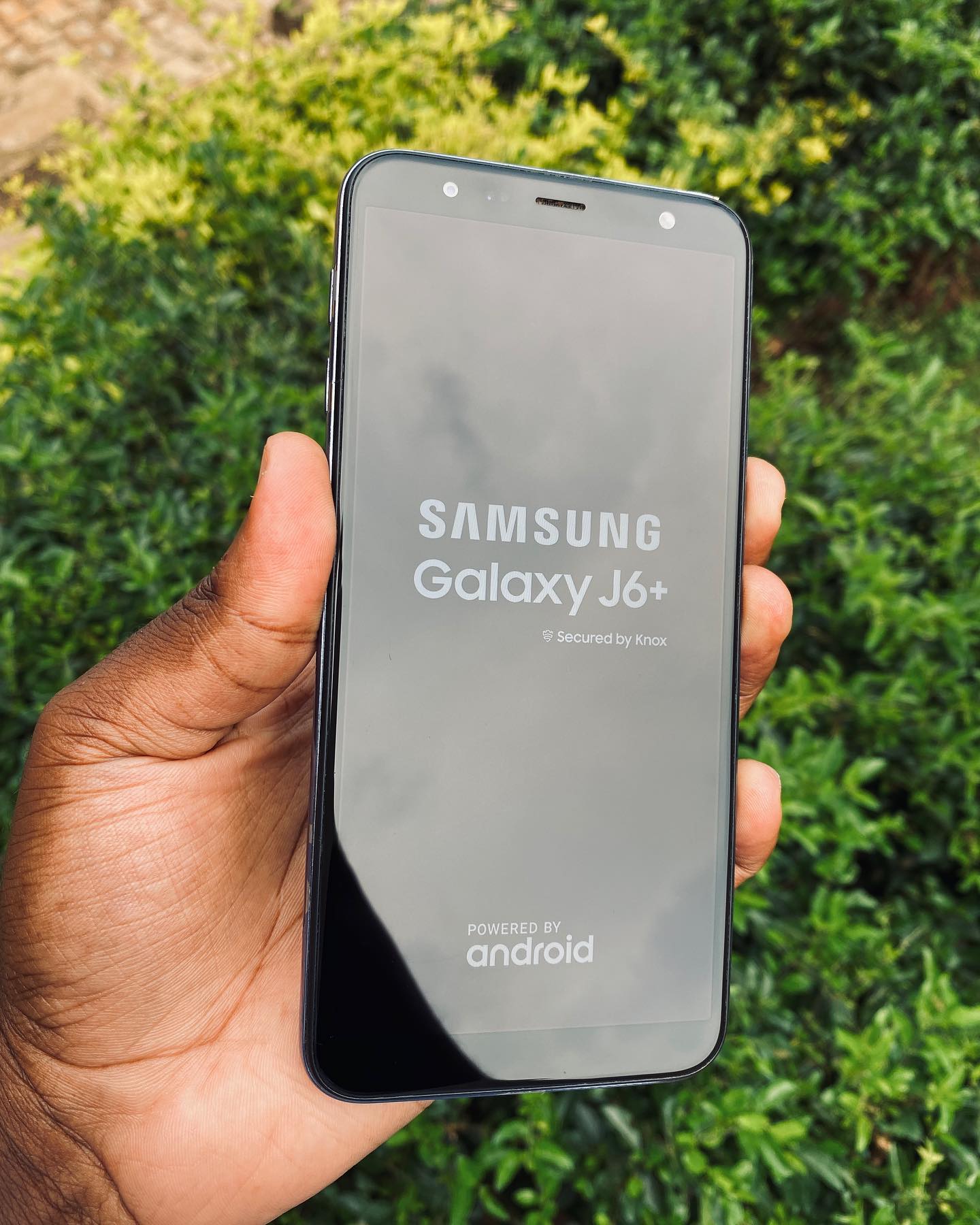
The under-$400 phone got genuinely good in 2026, and the review racket says so loudly. CNN Underscored’s mid-2026 testing lands on the Google Pixel 10a as the best sub-$300 phone, on strength of camera, updates, and a clean Android experience (CNN Underscored, 2026). PCMag seconds it with Samsung’s Galaxy A17 5G for the picks crowd, and Apple’s iPhone 17e remains the buy for people who refuse to leave iOS (PCMag, 2026).
How far have budget cameras come in 2026?
The camera gap is closing faster than the screen gap. The Pixel 10a’s single wide lens no longer embarrasses itself in daylight; Google’s computational pipeline does most of the work. Low-light remains the honest boundary. Side by side with a $1,200 flagship, the night detail and the telephoto range are where the money lives, but a decade ago the boundary was the difference between images from a potato and an eyebrow; now it is mid-quality versus great.
Reviewers also refreshed toward "starter flagship" in the chip in the US models. The A17 handles calls, web and casual apps smoothly, hits acceptable mark for games on modest FPS, and saves its dice for the enemy, sustained raw export.
Is the Pixel 10a the best under $300?
CNN calls the 10a the best budget phone of the year, full stop not just "under $500" (CNN Underscored, 2026). The battery lasts about 1.5 days, the screen is bright enough for parades, the cameras cross the class boundary at dusk, and Google keeps soft touches that flagships of last generation lacked. Trade-offs are real: it skips wireless charging, and the 128GB base is tight for video planets.
| Phone | Street price | Best at | Notable gap |
|---|---|---|---|
| Google Pixel 10a | $299-$499 | Camera, battery, updates | No wireless charging, plain design |
| Samsung Galaxy A17 5G | $249-$300 | Buyers on Android/MIUI | Slightly older core |
| Motorola Moto G (2026) | $199-$249 | Big screen, clean OS | Camera and updates |
| Apple iPhone 17e | $449 | iOS family fit | Price, single camera |
No single phone is best everywhere. The A17 wins this chart by definition on Android fans; the 17e wins by leaving iOS-tied households. The Pixel 10a wins the category only on the total, and that is the ranking paradox of budget phones.
What you give up buying budget instead of flagship
Lose the telephoto, the wireless charging, the 120Hz display reach, and the IP8 water rating. You also give up the pre-order trade-in math, where flagships bundle kinks the budget line never does. On the durability axis, plan for about three years of OS updates on a 2026 budget phone against five on a flagship, and the gap shows up in the final two years of the contract.
The budget phone in 2026 is a 2023 flagship with a bigger battery. The only real sacrifice is the habit of always upgrading.
— Dev Ahamed, Devices Editor
Should you wait for a flagship discount instead?
Almost never. The habit of waiting for the next price drop keeps buyers perpetually on the $600-plus line, because the flagship that just launched is always the one "worth the extra." The Pixel 11-launch season of August 2026 pushed trade-in offers for the previous flagship down to roughly the same monthly cost as the 10a, and the 10a still wins the total-warranty math for most people (CNN Underscored, 2026).
The only case to wait is a hard requirement: the flagship camera lens, the wireless charging, or a specific trade-in that only applies at launch. Otherwise the budget phone that ships today beats the flagship that ships in eight weeks, because you stop shouldering the depreciation and the "new" tax for the whole span.
Are refurbished flagship phones still a better deal?
For specific buyers, yes. A two-generation-old flagship refurb buys a better camera and a more premium build for about the price of a new budget phone, and the refurbisher’s warranty covers the first year. The catches are real: the phone’s update clock starts at release, not sale, so you own the last two support years, and the battery is a lottery if the seller does not replace it (CNN Underscored, 2026).
The decision rule is simple and honest. If the camera or the app cache is the reason you buy a phone, refurbished flagship wins at equal money. If reliability, warranty length, and a fresh battery matter more, the new budget phone wins. Do the total cost over 24 months, including the cover and any screen repair insurance, and weigh the battery floor, because a battery you can swap beats a chip you cannot upgrade.
The battery reality on budget phones
Budget phones run smaller, cooler processors and usually bigger batteries, so daily life is rarely the problem; it is degradation over time. The sweet-spot budget battery of 2026 lasts a day and a half on the A17 and nearly two days on the Pixel 10a. The pain lives only in the very cheapest tier, where you should expect the fastest charging falloff by month 20 (PCMag, 2026).
Buy with the keeping-years in mind. A phone that must survive three years needs either an easy battery swap or a cell above 4,800 mAh. A cheap device with a 4,000 mAh cell and no service center becomes a charger-hug in year two, which is the fastest way a "budget" phone stops being a bargain.
Screen quality: the hidden budget divide
The screen is where budget phones differentiate most, and reviewers test it on brightness under a sunny sky and on refresh during a scroll. The Pixel 10a’s panel is bright enough for outdoor use and smooth to the indecent eye; the A17’s display is a touch dimmer and caps out at a lower refresh, and the Moto G wins on pure size, not on color (PCMag, 2026).
The practical test for a normal buyer: open the browser for 20 minutes under a shop light and look for a 60hz feel. Most people cannot tell a 90Hz from a 120Hz panel; they can tell a good panel from a washed one. If only one metric matters, let it be outdoor brightness, since that is the one that goes to work with you daily.
Software updates decide whether the phone gets better or worse
A phone is a device you keep, and its future is written by updates. Samsung now guarantees several years for its popular A-series, Google pushes the Pixel line to give budget buyers most of the flagship update runway, and Motorola is still the laggard, with some region lock-ins (PCMag, 2026). Your security patches arrive in those windows and address things like SIM swap and camera hardening.
Buy the seller’s policy on paper before the transaction: the date of the major version, the end-of-lease security date, and whether resets break the update promise. A phone with one year of updates beats a phone with nine months for the same money, and that difference is worth more than the case.
Carrier deals and hidden total cost
The advertised budget price is rarely the price you pay over the contract. An unlocked Pixel 10a at list price becomes a different number when a carrier spreads it over 24 months with an "activation" line, a trade-in credit, or a plan upcharge tied to the device. The honest-deal filter: divide the monthly cost by the actual upgrade length and compare against the unlocked cash price for the same phone today (CNN Underscored, 2026).
Carriers want you to compare the monthly, not the total, because the monthly is the number that feels small. A $30-a-month deal on a "free" phone is a plan commitment riding on top of your service, and it rarely beats buying the handset outright and staying on a cheaper monthly plan. Run the total-cost worksheet before any installment sign-up, and walk when the phone on the plan costs more than the unlocked price plus twelve months of the rate difference.
The 2026 sales calendar works for the patient buyer too: the weeks right after a flagship launch and the holiday window are when budget lines get their deepest real cuts. Set one alert, compare on the total, and stop when the math says stop rather than when the advert says deal. A budget phone bought on a good plan is a five-year asset; a flagship bought on a promotion is a two-year habit you paid to reset.
Key takeaways
- The Pixel 10a and other models under $500 passed in 2026 testing
- The camera gap is narrowest; screen, wireless charging and telephoto carry the real gap.
- A17 5G and iPhone 17e cover the Android and iOS lanes.
- Processing motor and overall lifecycle matter more than the sensor.
- Budget phones ~3 years OS updates; plan the battery for your upgrade.
Frequently asked questions
What is the best budget phone of 2026?
CNN Underscored names the Google Pixel 10a the best sub-$500 phone; PCMag prefers Samsung’s Galaxy A17 5G as the Android pick.
Are budget phones good enough for daily use?
Differences shine only at 120Hz, night shots, and sustained heavy apps. For the day you carry, a 2026 budget phone holds.
Should I buy a refurbished flagship instead?
If, warranty and battery are essential, buy new. A two-year refurbished flagship can win on camera if you accept battery and upgrade loss.
Do budget phones get updates?
In 2026 the best budget phones get 3-4 years of OS updates, down from 7 on flagships but enough for a few happy years.
- The 2026 memory crisis driving phone prices up
- Smartphone memory shortage, explained
- Pixel 11 launch date and what it changes
- Best PC under $200 if you also need a computer
- CNN Underscored best budget phones 2026
- PCMag best budget phones 2026
Bottom line
The 2026 sales calendar works for the patient buyer too: the weeks right after a flagship launch and the holiday window are when budget lines get their deepest real cuts. Set one alert, compare on the total, and stop when the math says stop rather than when the advert says deal. A budget phone bought on a good plan is a five-year asset; a flagship bought on a promotion is a two-year habit you paid to reset.
What we still don't know
This is a fast-moving story. We update the post as new facts land — and we'll flag it when we do.
Enjoyed this? Pay it forward
A sharp story is worth passing on. Share it with the people who read tech like it matters.